


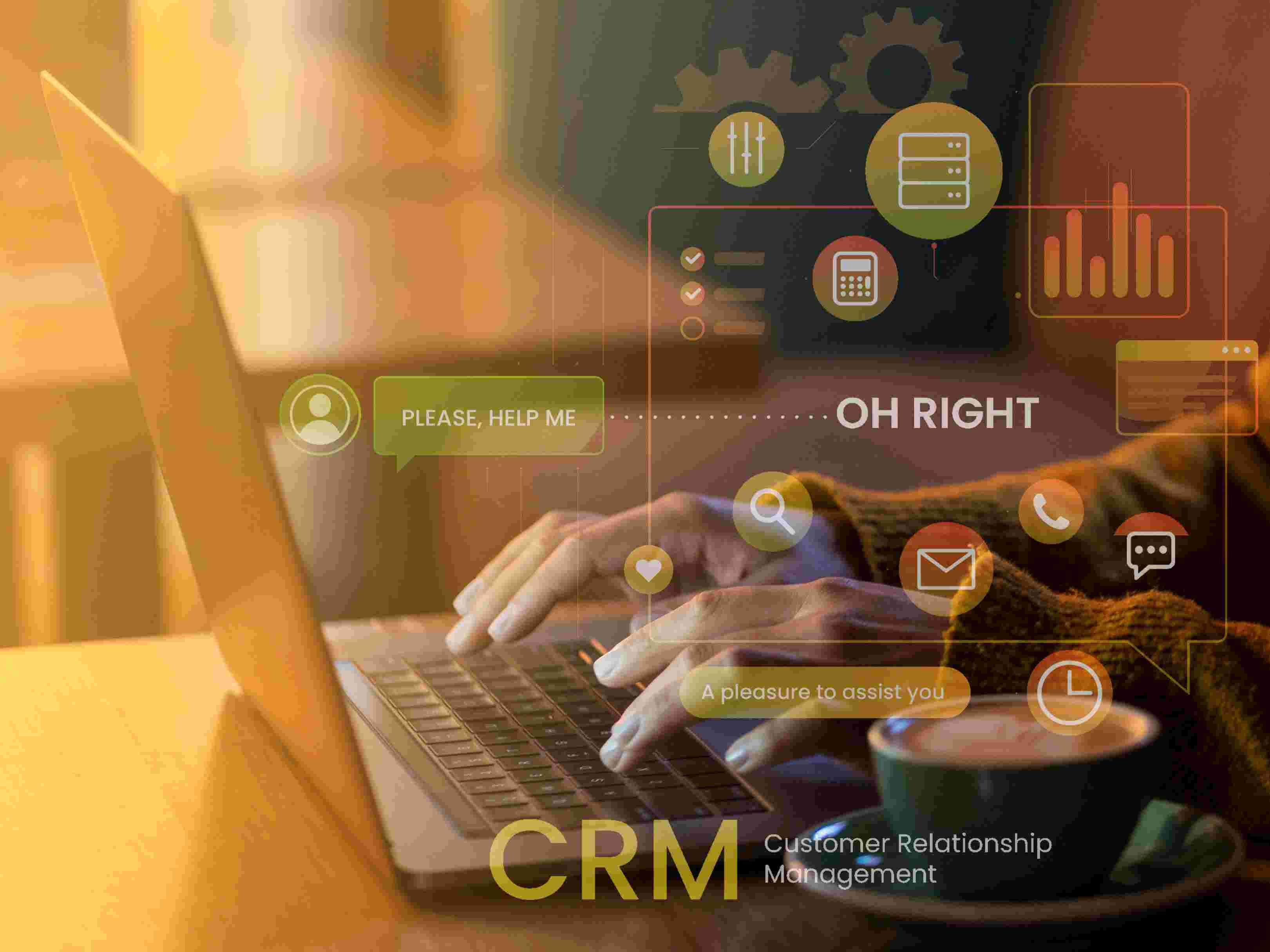
Modern businesses generate vast amounts of data across multiple departments, customer touchpoints, and operational processes. Managing this complexity efficiently requires sophisticated software systems designed to integrate, organize, and leverage information strategically. ERP and CRM software have emerged as essential tools for companies seeking to optimize operations, enhance customer relationships, and drive sustainable growth. Understanding the distinct and complementary benefits of these systems is crucial for organizations considering enterprise software investments.
Understanding ERP and CRM Systems
Enterprise Resource Planning (ERP) software integrates core business processes including finance, human resources, manufacturing, supply chain, procurement, and inventory management into a unified system. Customer Relationship Management (CRM) software focuses specifically on managing customer interactions, sales processes, marketing campaigns, and service delivery. While ERP and CRM software serve different primary functions, they both centralize information and enable data-driven decision-making across the organization.
Together, these systems create a comprehensive technology ecosystem that supports both internal operations and external customer engagement. Many companies implement both systems and integrate them to achieve complete visibility across the business—from supply chain to customer satisfaction.
Operational Efficiency and Process Automation
One of the most immediate benefits of ERP and CRM software is the dramatic improvement in operational efficiency. ERP systems eliminate redundant data entry by maintaining a single source of truth for business information. When a sales order is clicked, the system automatically updates inventory levels, triggers procurement processes if necessary, generates invoices, and records financial transactions—all without manual intervention.
Likewise, CRM software automates customer-facing processes such as lead assignment, follow-up reminders, email campaigns, and service ticket routing. Sales representatives spend less time on administrative tasks and more time engaging with customers. Marketing teams can launch sophisticated campaigns with automated workflows that nurture leads based on their behavior and preferences. This automation reduces errors, accelerates processes, and frees employees to focus on strategic activities that require human judgment and creativity.
Enhanced Data Visibility and Reporting
ERP and CRM software transform how companies access and utilize business intelligence. Instead of requesting reports from IT departments or manually compiling data from multiple spreadsheets, decision-makers can access real-time dashboards and generate custom reports instantly. ERP systems provide comprehensive financial reporting, operational metrics, and performance indicators across all business functions.
CRM systems offer detailed insights into customer behavior, sales pipeline health, marketing campaign effectiveness, and service performance. Sales managers can identify which opportunities are likely to close, which require additional attention, and which might be at risk. Marketing teams can measure ROI on campaigns with precision, understanding exactly which activities drive revenue. This visibility enables proactive rather than reactive management, allowing companies to address issues before they escalate and capitalize on opportunities quickly.
Improved Customer Experience and Satisfaction
CRM software's primary purpose is enhancing customer relationships, but ERP and CRM software together create a seamless customer experience from initial contact through post-sale support. CRM systems maintain complete customer histories including past interactions, purchases, preferences, and service issues. This information enables personalized engagement that makes customers feel valued and understood.
When integrated with ERP systems, customer service representatives can access real-time inventory information, order status, and shipping details without switching between systems or contacting other departments. This immediate access to information allows for faster problem resolution and more accurate communication. Customers receive consistent information regardless of which department they contact, eliminating the frustration of being transferred between representatives or receiving conflicting answers.
Streamlined Collaboration Across Departments
Organizational silos impede efficiency and create inconsistent customer experiences. ERP and CRM software break down these barriers by providing shared platforms that enable cross-functional collaboration. Sales teams can check inventory availability before promising delivery dates. Production departments can see actual customer demand rather than relying solely on sales forecasts. Finance teams have visibility into sales pipelines for more accurate revenue projections.
This transparency ensures that all departments work from the same information, reducing miscommunication and conflicting priorities. Workflows can span departments seamlessly, with the system automatically routing tasks and notifications to appropriate personnel. For example, when a sales opportunity closes, the CRM can automatically trigger fulfillment processes in the ERP system, notifying warehouse staff, updating financial forecasts, and initiating customer onboarding sequences.
Financial Management and Compliance
ERP systems excel at financial management, providing robust accounting capabilities, financial consolidation for multi-entity organizations, and compliance reporting. ERP and CRM software together offer complete financial visibility from opportunity to cash collection. Finance teams can track the entire revenue cycle, from initial sales activities recorded in CRM through order fulfillment, invoicing, and payment processed in the ERP system.
This integration ensures financial accuracy and provides audit trails for compliance purposes. Companies can demonstrate adherence to revenue recognition standards, maintain proper internal controls, and generate financial statements with confidence. The systems maintain historical data for analysis and regulatory reporting while supporting various currencies, tax jurisdictions, and accounting standards for international operations.
Scalability for Business Growth
As companies grow—whether organically or through acquisition—their software infrastructure must scale accordingly. ERP and CRM software are designed to accommodate growth without requiring replacement. These systems can support additional users, higher transaction volumes, new locations, and expanded product lines without performance degradation.
Cloud-based ERP and CRM solutions offer particular scalability advantages, allowing companies to add capacity on demand without infrastructure investments. As businesses expand into new markets, these systems can support multiple languages, currencies, and regional business practices from a single platform. When companies acquire other businesses, ERP and CRM systems can integrate the new entities, providing consolidated visibility while accommodating different operational processes during transition periods.
Data Security and Access Control
Enterprise data represents valuable intellectual property that must be protected. ERP and CRM software implement sophisticated security measures including role-based access controls, encryption, audit logging, and compliance certifications. Companies can define precisely who can access specific information and what actions they can perform, ensuring that sensitive financial data, customer information, and proprietary business intelligence remain secure.
These systems maintain detailed audit trails showing who accessed what information and when, supporting both internal security policies and regulatory compliance requirements. Regular security updates from vendors ensure that systems remain protected against emerging threats without requiring internal security expertise.
Mobile Access and Remote Work Enablement
Modern ERP and CRM software offer mobile applications and browser-based access that enable work from anywhere. Sales representatives can update opportunities, access customer information, and record meeting notes from their smartphones while in the field. Managers can approve purchase orders or review dashboards from tablets during travel. This mobility ensures that business processes continue smoothly regardless of physical location, supporting distributed teams and remote work arrangements that have become increasingly common.
Competitive Advantage Through Innovation
Companies that effectively leverage ERP and CRM software gain competitive advantages through operational excellence and superior customer service. These systems enable faster response times, more accurate forecasting, efficient resource allocation, and personalized customer engagement that competitors using manual processes or disconnected systems cannot match. The insights derived from integrated ERP and CRM data inform strategic decisions about product development, market expansion, and customer acquisition strategies.
Conclusion
ERP and CRM software deliver transformative benefits for companies of all sizes across industries. By integrating business processes, centralizing information, automating workflows, and providing actionable insights, these systems enable operational excellence and customer-centric business models. While implementation requires investment and organizational change management, the returns in efficiency, growth capability, customer satisfaction, and competitive positioning make ERP and CRM software essential components of modern business infrastructure. Companies that embrace these technologies position themselves for sustainable success in increasingly competitive and digital marketplaces.

 English
 Arabic
 French
 Spanish
 Portuguese
 Deutsch
 Dutch
Dutch
 Italiano
 Russian
 Romaian
 Portuguese (Brazil)
 Tiếng Việt