


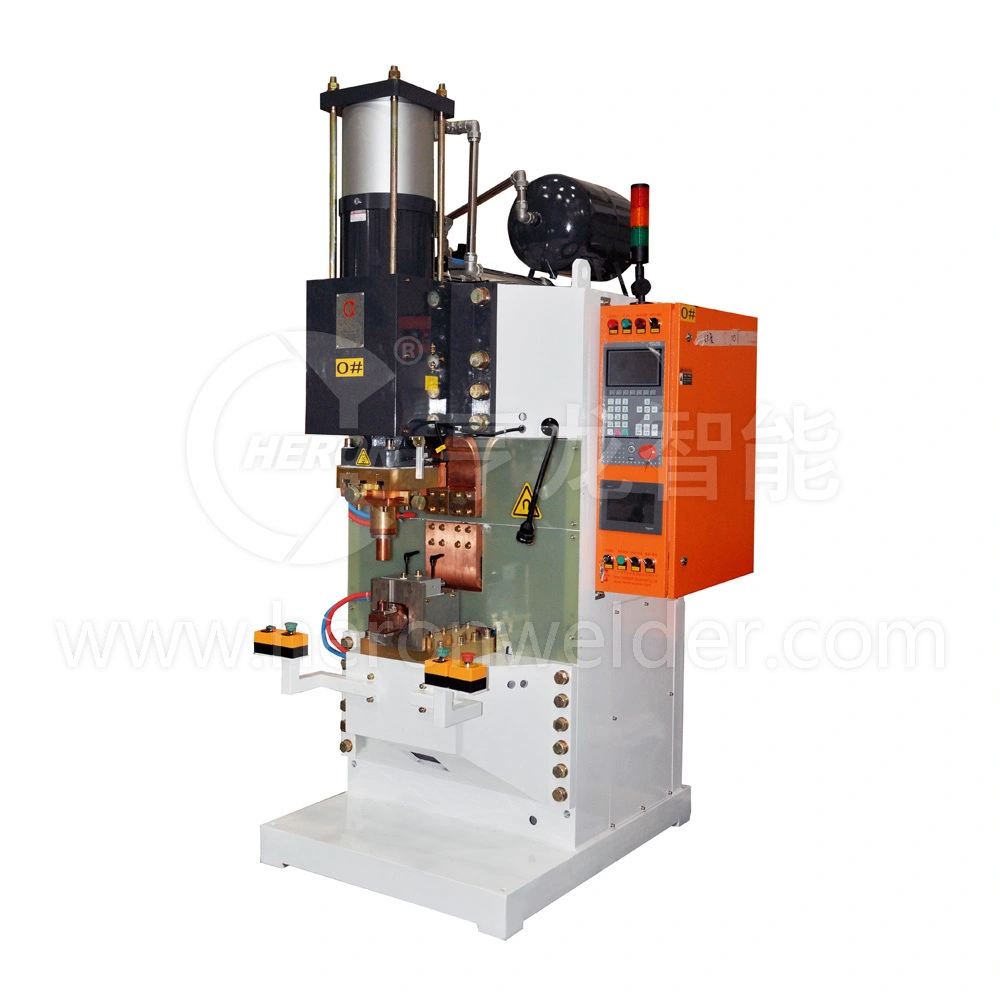
Aluminium has become a staple in modern manufacturing, especially in automotive, aerospace, and consumer electronics industries. Its lightweight properties, corrosion resistance, and recyclability make it an ideal material but joining aluminium reliably presents unique challenges. Spot weld aluminium is a precise and efficient method for metal joining, and understanding its principles, applications, and best practices is crucial for manufacturers aiming for high-quality production.
Heron Welder, a global leader in industrial welding and metal-joining equipment, offers advanced solutions for resistance spot welding aluminium and optimizing automated production lines.
What is Spot Welding Aluminium?
Resistance spot welding (RSW) is a process where two or more metal sheets are joined by applying pressure and passing an electric current through the contact point. The resistance at the interface generates heat, melting the metal locally and forming a solid weld nugget as it cools.
Spot welding aluminium differs from steel due to aluminium’s high thermal conductivity and low electrical resistance, which require precise control over current, electrode force, and welding time. Standard steel welding parameters often fail with aluminium, leading to weak welds, burn-throughs, or electrode sticking.
Key Principles of Aluminium Spot Welding
Successful aluminium spot welding depends on understanding its material properties and adapting welding parameters:
-
High Conductivity Compensation – Aluminium conducts heat and electricity more efficiently than steel, so higher current or longer weld times are necessary to generate sufficient heat at the weld interface.
-
Electrode Selection – Copper alloy electrodes with appropriate geometry help distribute heat evenly and reduce sticking.
-
Surface Preparation – Aluminium naturally forms an oxide layer that can inhibit weld formation. Proper cleaning or brushing ensures stronger welds.
-
Pressure Control – Correct electrode force ensures proper contact and prevents expulsion of molten metal, maintaining consistent nugget formation.
Heron Welder’s MFDC and capacitor discharge spot welding machines are specifically engineered to handle these challenges, offering repeatable, high-quality welds for thin or thick aluminium sheets.
Applications of Aluminium Spot Welding
Aluminium spot welding is widely used across industries where lightweight, durable joints are required:
Automotive Manufacturing
Modern vehicles rely on aluminium body panels and structural components for weight reduction and improved fuel efficiency. Spot weld aluminium processes provide strong, consistent joints for chassis frames, doors, and hoods. Heron’s automated welding guns and multi-gun systems are optimized for high-volume automotive production, reducing cycle times while maintaining weld quality.
Aerospace Components
Aerospace manufacturing demands precision and reliability. Resistance spot welding of aluminium alloys is often applied to fuselage panels, wing skins, and internal structures. Controlled heat input is critical to avoid distortion or weakening of aerospace-grade aluminium.
Consumer Electronics & Appliances
Aluminium enclosures, panels, and frames in electronics and household appliances benefit from spot welding for neat, fast, and durable assembly. Heron’s compact spot welding units integrate easily into automated production lines, delivering uniform results for high-volume manufacturing.
Comparing Spot Welding Aluminium vs Steel
| Feature | Aluminium | Steel | Notes |
|---|---|---|---|
| Electrical Conductivity | High | Low | Requires higher current for aluminium |
| Thermal Conductivity | High | Low | Faster heat dissipation in aluminium |
| Oxide Layer | Forms quickly | Minimal | Aluminium surface prep needed |
| Electrode Wear | Higher | Moderate | Copper alloys reduce aluminium sticking |
| Weld Strength | Moderate to High | High | Dependent on precise process control |
Understanding these differences helps engineers optimize parameters and select the right Heron machine for their application, avoiding costly trial-and-error in production.
Best Practices for Spot Welding Aluminium
-
Pre-Weld Testing – Run sample welds to determine optimal current, pressure, and weld time for the specific alloy and sheet thickness.
-
Surface Preparation – Clean aluminium sheets to remove oxide layers, oils, or contaminants before welding.
-
Electrode Maintenance – Regularly dress and replace electrodes to maintain consistent weld quality.
-
Monitor Process Parameters – Use integrated controllers and monitoring systems to track weld quality in real-time.
-
Automation Integration – Automated welding guns and robotic systems reduce human error, ensure repeatable welds, and increase throughput.
Heron Welder’s solutions come with advanced controllers, multi-gun integration, and automation-ready designs that help manufacturers achieve precise, repeatable aluminium welds at scale.
Why Choose Heron for Aluminium Spot Welding
Heron Welder stands out as a global provider of resistance welding and metal-joining equipment. With decades of experience in industrial welding, Heron offers:
-
MFDC & Capacitor Discharge Spot Welders optimized for aluminium alloys.
-
Automated welding lines that integrate seamlessly with robotics and factory automation systems.
-
Customizable solutions tailored for automotive, aerospace, and electronics manufacturing.
-
Expert support to help engineers optimize weld parameters, reduce defects, and maximize productivity.
FAQs
1. Can aluminium sheets of different thicknesses be spot welded?
Yes, but it requires precise adjustment of current, weld time, and electrode pressure. Heron’s advanced controllers simplify these adjustments for consistent results.
2. How do I prevent electrode sticking when welding aluminium?
Using copper alloy electrodes, applying proper force, and cleaning surfaces regularly reduces sticking and extends electrode life.
3. Is spot welding aluminium suitable for high-volume production?
Absolutely. Automated spot welding systems from Heron are designed for high-speed, repeatable aluminium welding in automotive, aerospace, and appliance manufacturing.
4. What aluminium alloys can be spot welded?
Common alloys include 1xxx, 3xxx, 5xxx, and 6xxx series. Each requires specific parameter adjustments, which Heron’s controllers support.
5. Can Heron integrate spot weld aluminium machines into existing production lines?
Yes. Heron offers automation-ready welding guns and robotic interfaces for seamless integration into current manufacturing workflows.
Conclusion
Spot welding aluminium is a specialized process requiring the right equipment, parameters, and expertise. Heron Welder provides industrial-grade spot welding machines, automated systems, and technical support to help manufacturers achieve consistent, high-quality aluminium welds.
Ready to enhance your aluminium production? Contact Heron today to request a quote or consult on a customized welding and automation solution tailored to your factory’s needs.

 English
 Arabic
 French
 Spanish
 Deutsch
 Turkish
 Dutch
Dutch
 Italiano
 Russian
 Romaian
 Portuguese (Brazil)
 Tiếng Việt